Hair loss is a common complaint reported by many patients – though fortunately, practices have an array of treatments that they can look into that can help manage receding hair or conditions like androgenic alopecia. One of the methods that have increasingly received attention and application with many cosmetic practices is platelet-rich plasma (PRP) treatments.
But what results should you expect when using PRP therapy for hair treatments? Overall, consistent use of PRP injections can have a marked improvement on hair regrowth and hair health. However, the effects of PRP treatment vary depending on the individual and the purity of the PRP sample used in the injection. For this reason, a practice should always brief their patient about the possible differences in the results of PRP hair treatment.
How Effective Is PRP Treatment On Hair?
Clinical evidence for PRP treatment on hair is still relatively understudied. But given the efficacy of PRP treatment in general for other cosmetic and medical applications, the results are relatively promising. Since platelet-rich plasma can help kickstart the body’s own repair processes, it can be used for hair and skin rejuvenation with enough applications and consistent treatment on the affected site.
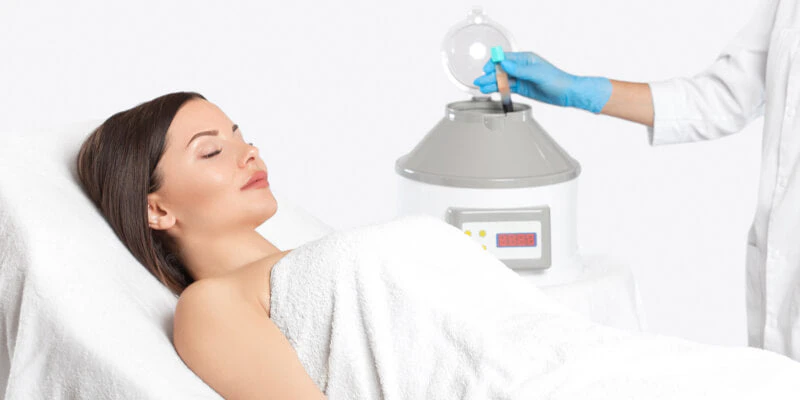
PRP treatment on hair follows the same process that all PRP processes follow: by drawing a sample of the patient’s blood and running it through a centrifuge, the sample separates into platelet-rich and platelet-poor plasma – with the former being the best sample used for PRP treatment on hair. The resulting solution is applied directly on the patient’s scalp, with repeat injections leading to possible improvements in both hair health and scalp rejuvenation.
So far, initial treatments with PRP therapy on hair have shown some promising results. PRP treatments have shown marked improvement in the management of conditions like androgenetic alopecia and alopecia areata, with prolonged treatment leading to more hair regrowth and more resilient hair overall. It may also have an effect in reducing hair loss and improving hair density, though more studies need to be conducted for the overall possibilities of the treatment.
Why Does PRP Treatment Work For Hair?
At the very core of the PRP treatment are the platelets themselves. Since they’re the primary agent used by the body to encourage cellular regrowth and regeneration, it’s not hard to think that their application for hair loss and improvement of scalp health can hold some merit. Because the cells that make up the hair follicle respond to the same changes that the body experiences in events of traumatic injury, a PRP injection directly into the area can trigger the auto-repair function that’s normally reserved for serious injuries.
However, the reason why PRP results can vary widely between studies – as well as different practices – is that a singular method for the “best” way to apply PRP treatment for hair regrowth hasn’t been established yet. Given that the primary use and investment for PRP treatments are usually in the field of medical applications like sports medicine, it’s likely that more studies and more cases of actual PRP use for hair treatments need to be conducted to get the needed data.
How To Make The Results Of PRP Hair Treatment Better
With all these differences in methodology and results, how does a cosmetic practice make sure that the results of their PRP treatment are always the best ones they can provide? While this will roughly depend on the method of PRP extraction used by the practice, one way to ensure that the results are more likely to show up sooner and take effect for longer is to make sure that the PRP sample in the procedure is as pure as possible.
A pure PRP sample can only be achieved with a PRP centrifuge: while any laboratory-grade centrifuge can technically separate the blood components into platelet-rich and platelet-poor plasma, only PRP centrifuges have the required speeds and control to securely separate the samples. In addition, the PRP tubes with these centrifuges can also make extraction of the PRP layer easier while preventing contamination at the same time.
If that doesn’t work, a practice can also look into more specific PRP treatments, like platelet-rich fibrin matrix (PRFM) therapy. By adding a fibrin matrix to help the platelets bond securely to the site and provide additional structure and nutrients for cell regrowth, PRFM effectively increases the normal effects of PRP treatment. However, this also requires special equipment and training to apply correctly.
While the full effects of PRP hair treatment have yet to be firmly established, the current data suggest that it can be an effective solution for hair rejuvenation and other treatments – provided that the PRP sample is up to the standards required for a successful PRP treatment. In addition, there are other PRP-related options like PRFM treatments that clinics can provide for their patients, in the case that PRP therapy by itself isn’t giving the results that the patient is looking for.
For more information about us, our products, and the services we provide, contact us today.
For PRP preparation supplies, see our PRP and PRF supplies, including the Face Med PRP Kit.