Exosomes for hair restoration are among the newer regenerative therapies undergoing clinical trials, and exosome products are the category practices ask about most. This guide describes how the treatment is performed and how it compares with other options.
You will find what exosomes are, how scalp treatment is described, who it is for, how exosomes differ from PRP, and the other hair restoration options.
What Is Exosome Treatment for Hair Loss?
Exosome treatment for hair loss is a regenerative approach in which exosomes are delivered to the scalp, and it is still being studied in clinical trials.
Options for hair restoration include surgical and non-surgical treatments. Progressive hair loss is a cosmetic problem researchers are still working to solve, and exosomes are one of the newest regenerative therapies under study for it. This page is general information for licensed practitioners. It makes no claim about results and it is not a protocol.
How Exosomes Work
Exosomes are tiny particles of invaginations in the plasma membrane, the covering that encloses cells, found in body fluids such as blood and saliva.
They play a major role in cell-to-cell interaction by transporting compounds that regulate biological activities and responses. Interest in exosome products comes from their ability to target organs, as in targeted drug delivery systems. Exosome products are acellular. The EL Exosomes listing describes exosomes as cell-released vesicles carrying signaling molecules, growth factors and peptides. For a deeper look, see exosomes and PDRN in aesthetic medicine.
How Exosome Treatment for Hair Loss Is Performed
The general sequence is sourcing, isolation, reconstitution and intradermal delivery, with microneedling as a possible complement.
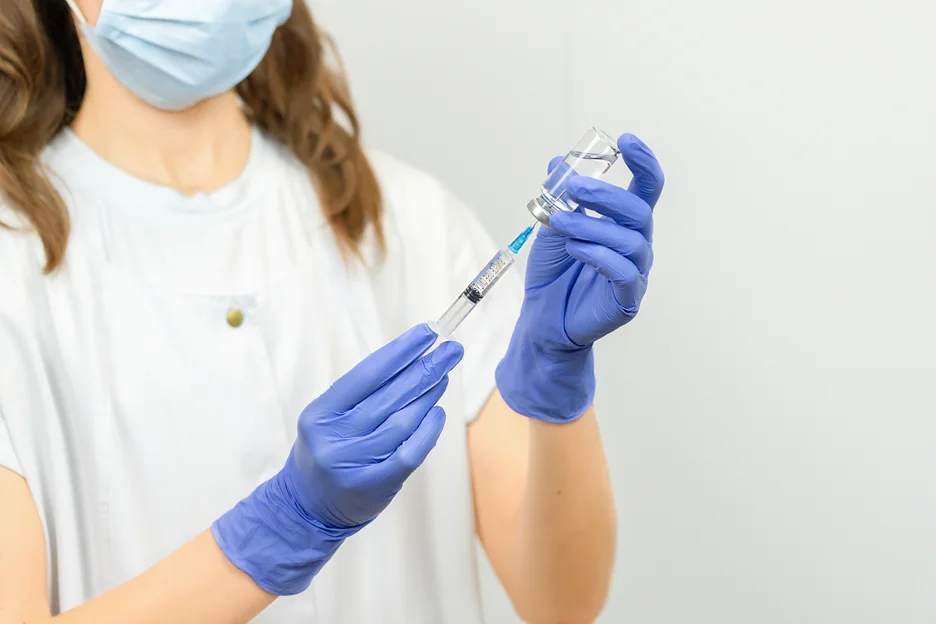
Commercial exosome formulations typically extract exosomes from mesenchymal stem cells, such as those of bone marrow, umbilical cord blood and amniotic fluid. The exosomes are then isolated by methods such as differential centrifugation and precipitation. They are placed in vials and may be reconstituted by adding a diluent and shaking for around 20 seconds.
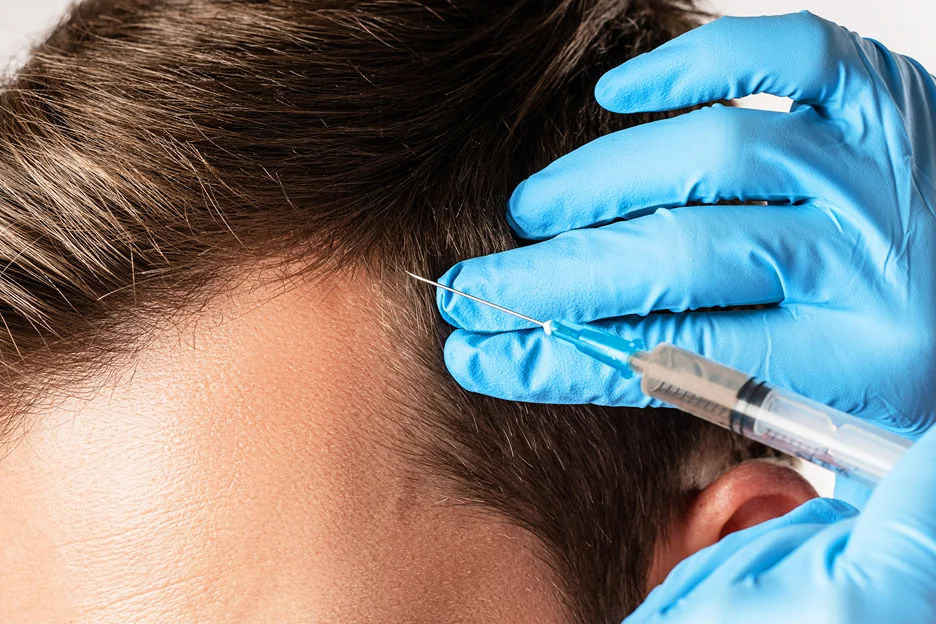
Exosome therapy may be given intravenously or intradermally, and may be complemented with other methods such as microneedling. For hair restoration, scalp injections are given intradermally with equal spacing to optimize application of the treatment. No dose, volume or session count is given here.
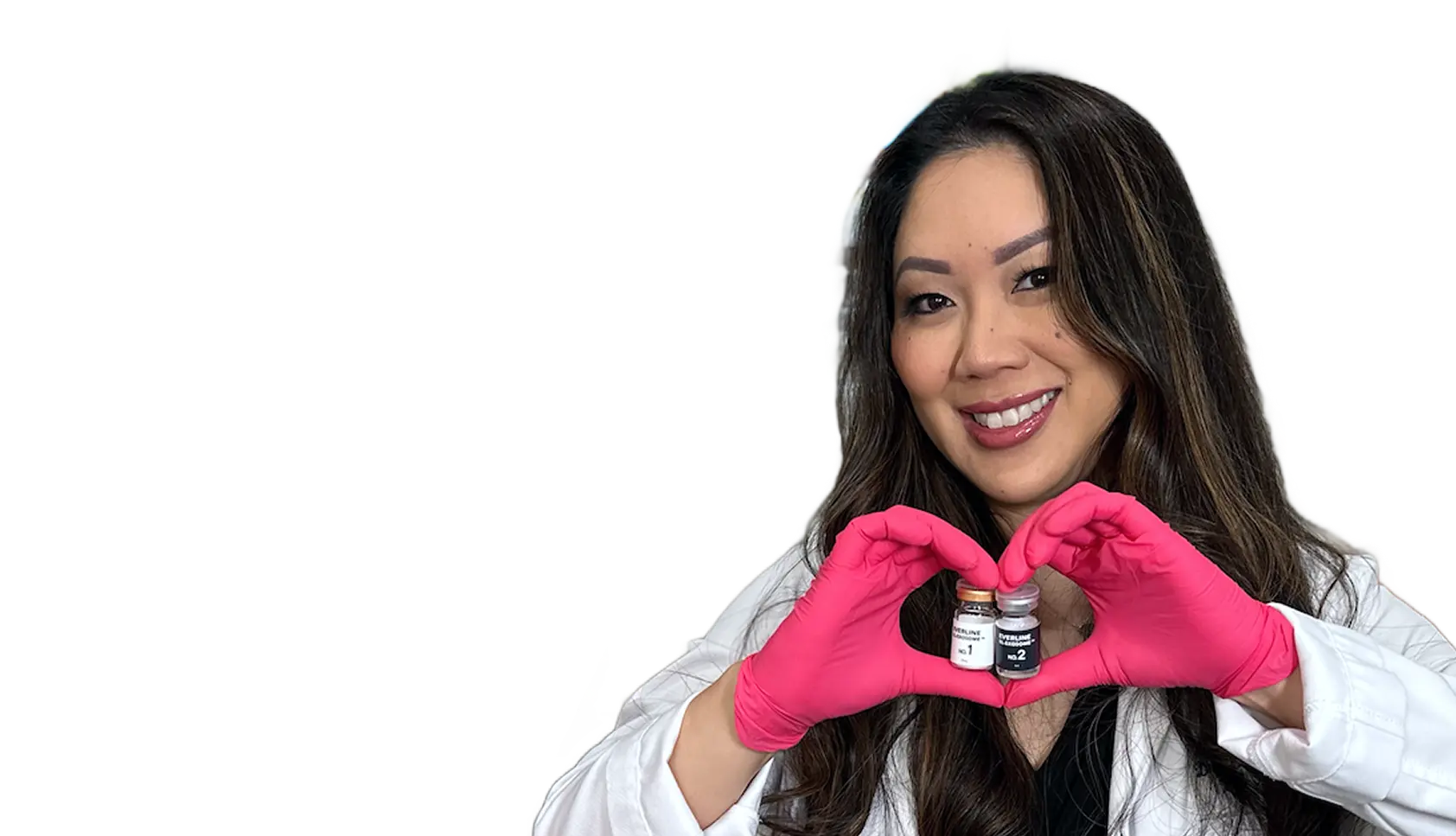
A topical route is a different product type. EL Exosomes is a professional exosome topical kit, listed as best paired with microneedling, laser and RF micro-injury treatments. It is applied immediately post-procedure into open microchannels, as an in-office finishing step.
Who Exosome Treatment Is For
Hair loss is the use under study and there is no study-backed rule for who will respond, so patient selection remains your clinical decision.
Exosome products have a wide range of applications in regenerative medicine and are being studied as a treatment for hair loss. Most exosome products are still undergoing clinical studies and need further evaluation.
Listed side effects are injection site pain and infection, and contamination of the formulation when it is not properly harvested.
For a comparison with established options, see exosomes vs traditional hair loss treatments.
Exosomes vs PRP for Hair
Exosomes are an acellular product, while PRP is an autologous preparation made from the patient's own blood.
Platelet-rich plasma therapy is an autologous technology in which blood drawn from blood vessels is processed so that platelets and growth factors are concentrated. Exosome products are acellular, derived from sources such as mesenchymal stem cells and isolated by centrifugation and precipitation. Both can be given by injection. For a side-by-side look at the two for hair, see PDRN vs PRP for hair.
If you prepare PRP in the practice, our PRP and PRF supplies cover the kit options. The Face Med PRP kit is listed as an FDA-cleared 510(k) Class II medical device (510(k) BK170136) for preparing autologous PRP at the patient point of care. Its listed specifics:
- A single centrifugation spin, under 10 minutes per preparation.
- A 12ml PRP tray, non-pyrogenic, closed-cycle and sterile.
- Sterile collection tubes with anticoagulant, separation gel, transfer syringes and needles, procedure instructions and safety data sheets.
- Intended solely for qualified, licensed healthcare professionals trained in PRP procedures. Face Med Store supplies the device and does not provide medical advice or treatment.